
We’ve all been there. You’ve practised your scales until you know them in your sleep, you’ve learnt pieces that fill up a whole page instead of just a couple of lines, and yet…something feels off. You’re working twice as hard as your teacher, but your sound still feels like it’s trapped in a cardboard box. Or, even worse, you’ve stopped playing as much as you used to because you just can’t hear the results of your practise and your motivation is disappearing.
Here’s the truth: you haven't hit a plateau; your flute has. Student instruments are wonderful for the first few years, but they are built for durability, not nuance. If you’re ready to stop "fighting" your instrument and start making rewarding music, an upgrade to an Intermediate Flute is what we all need at some point to continue to level up. Here is why making the switch will transform your playing.
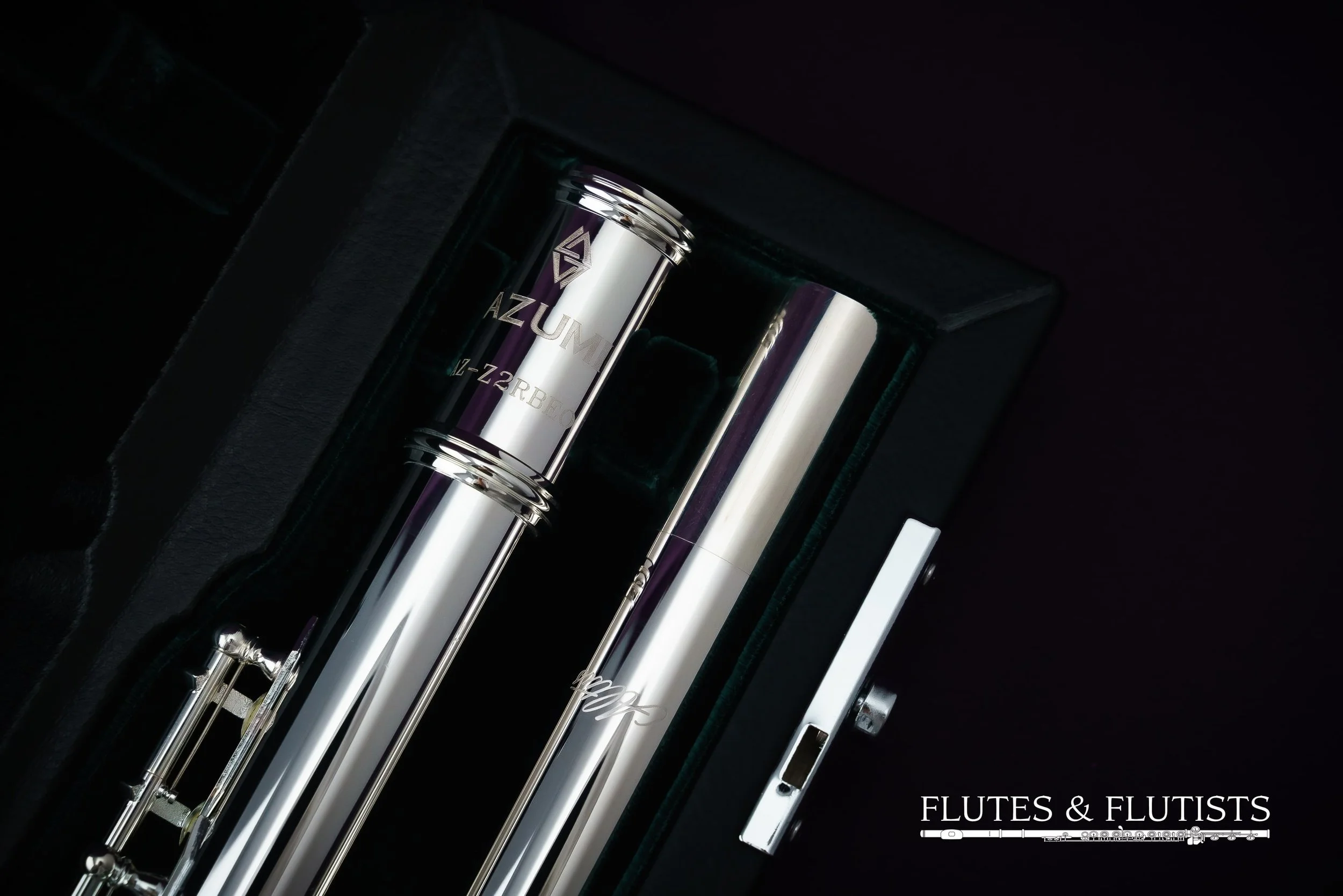
Azumi Z2
1. From 8 Colours to a Paint Box
A Student Flute is like a box of eight crayons. It gets the job done, but it’s hard (although not impossible!) to paint a masterpiece with just the basics. Intermediate Flutes often feature a better scale and acoustics, and more sophisticated headjoint cuts.
Less Restrictive: A professional-style or even hand-cut headjoint offers more freedom to shape your sound, and the flute responds to your commands much more predictably and consistently.
Unique Identity: Instead of a "generic" flute sound, a better instrument allows you to explore the concept of tone colours, from a dark, woody low register to a shimmering, soaring high end. It’s no longer just a flute; it’s your voice developing.
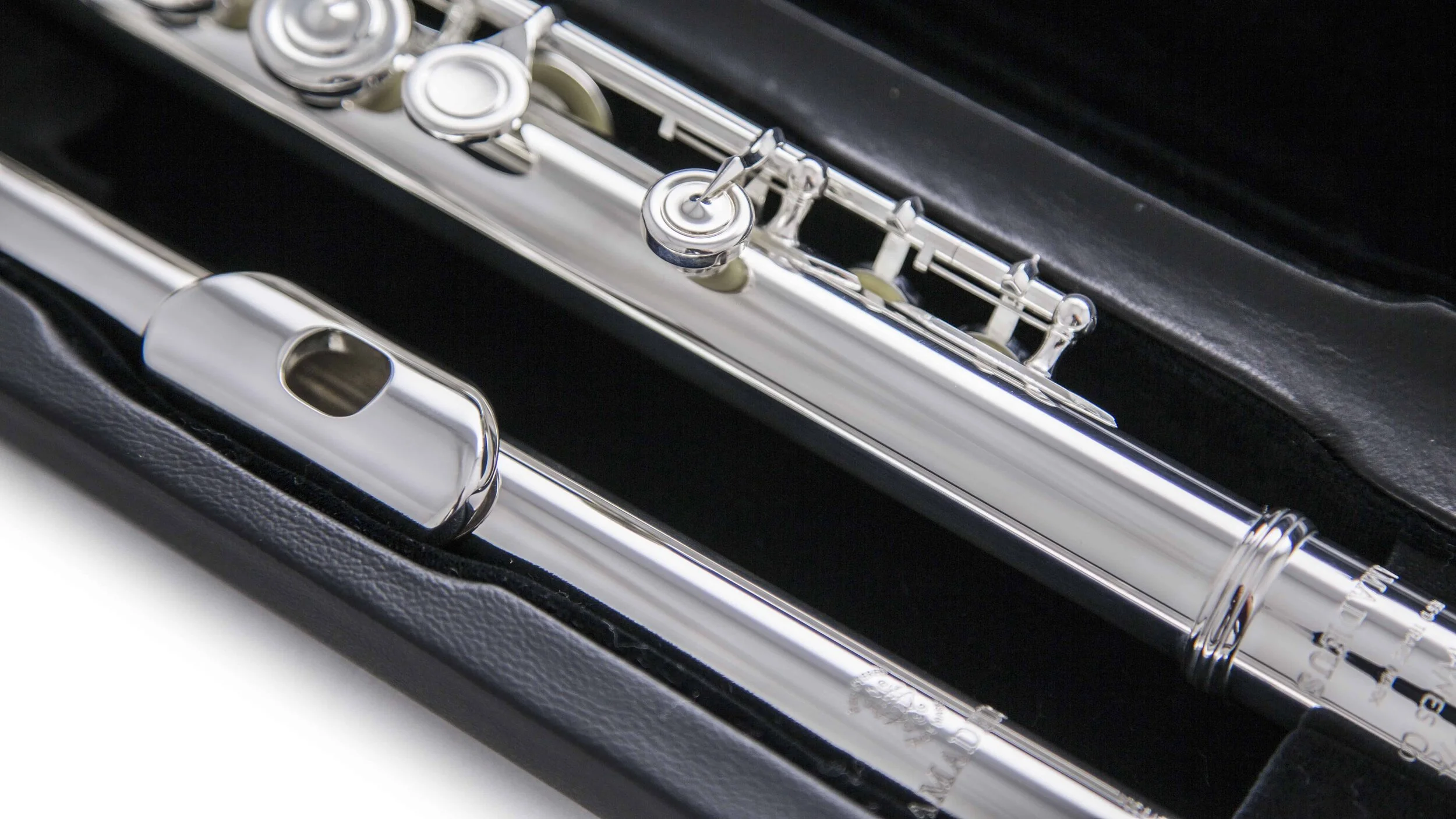
Haynes Amadeus Range
2. Improve Your Breath Control
Due to the limitations of a Student Flute, your lung capacity is often not being challenged and you’re able to get away with using minimal air to produce a sound. That’s what they are designed to do but it also means that they are not letting you realise your full potential.
With a better instrument, you’ll start to discover a whole new world of tonal and dynamic possibilities, which encourages you to be more mindful of your breath control and air reserves. Therefore, a better instrument not only sounds better, but helps you improve as a player.
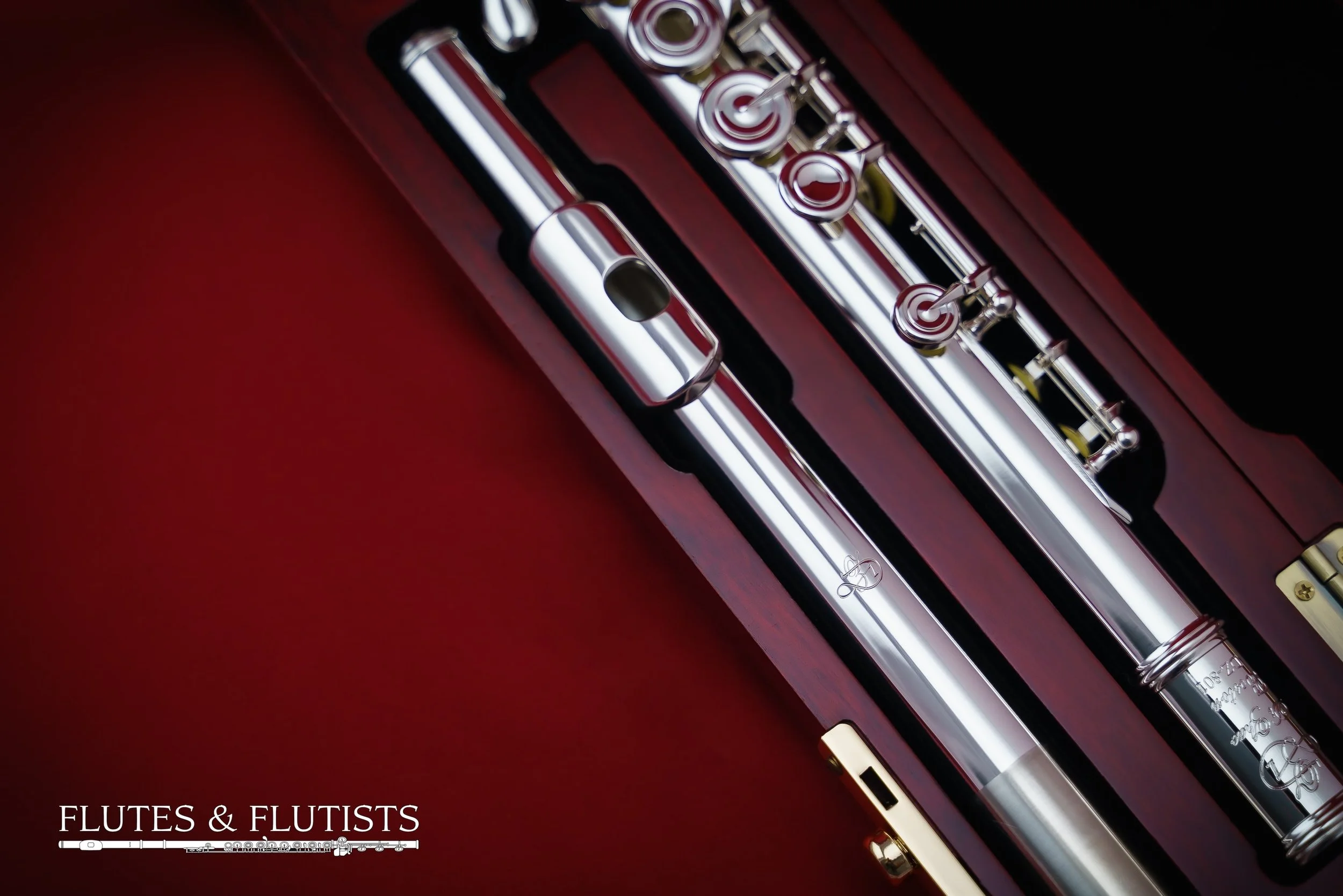
Di Zhao DZ-801
3. A Mechanism That Keeps Up with You
Have you ever felt you are fighting your keys when you are trying to play fast? Sometimes, it’s just that more practise is needed for smooth, even playing. But, very often, it can be that your Student Flute mechanism can no longer keep up with the speed you now need! As you advance, your repertoire gets faster and more technical. Good quality Intermediate Flutes have a mechanism that is more robust than Student Flutes, and this can really support your technical development and allow the music to shine through the notes.
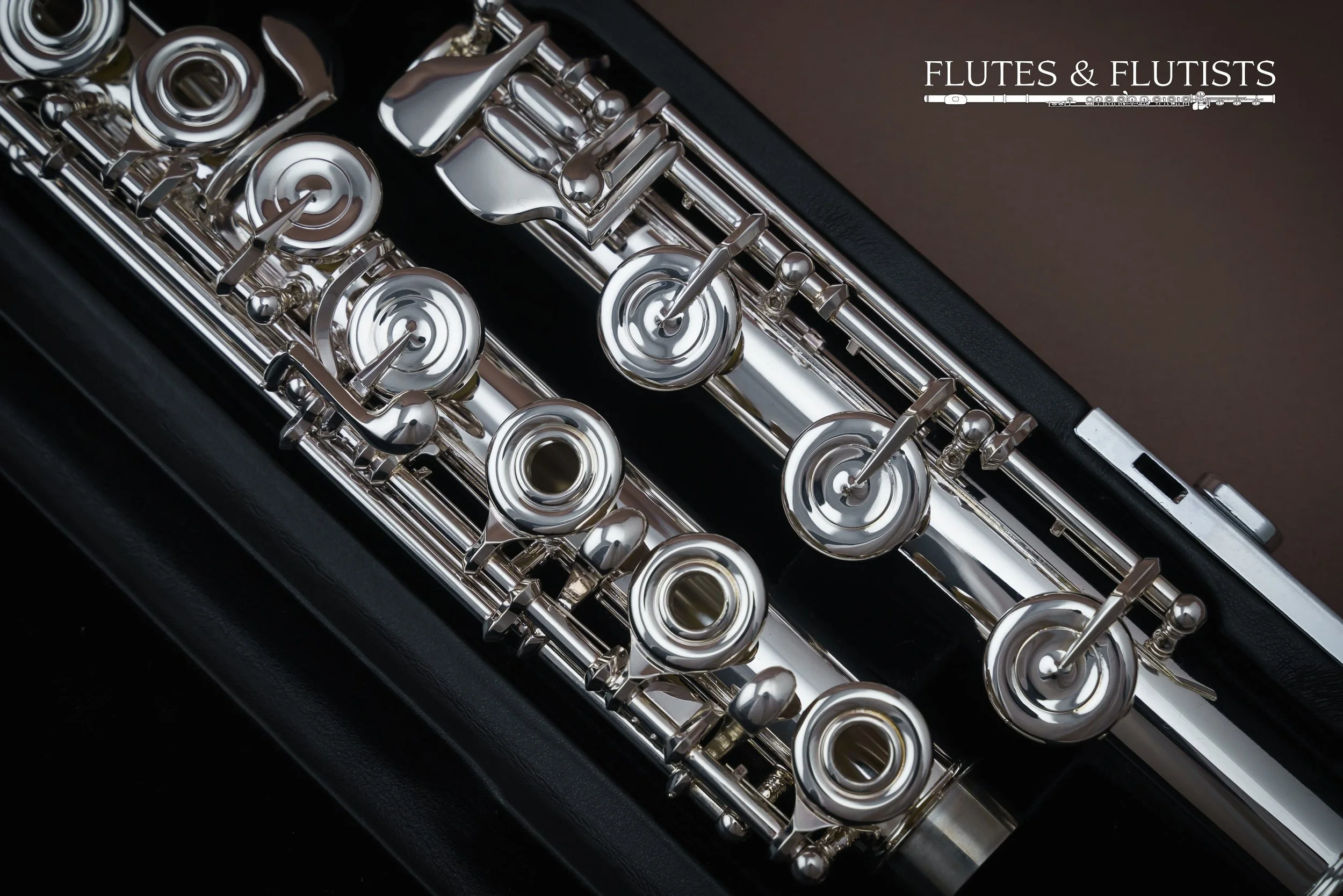
Burkart Resona R100
4. Advanced Configurations: B Footjoints and Open Holes
When you transition to an intermediate or professional instrument, you move beyond the "standard" build. These features aren't just for show; they fundamentally change how the flute vibrates and how you interact with the music.
The B Footjoint: This extension does more than just give you a low B. The added length of the tubing changes the physics of the entire instrument. It provides greater resonance to the entire range of the instrument, and it also makes those "scary" top-octave notes much easier to anchor. It gives your overall sound a richer, more complex "core".
Open Holes: It’s common to find more advanced flutes with open holes, which offer a sense of connection to your air stream that closed holes simply can't match.
A "Spacious" Sound: Because the air can resonate through the keys and not just around them, the sound feels more "open" and less compressed.
Special Techniques: Open holes are your ticket to advanced repertoire. They allow for techniques such as glissandos (seamlessly sliding between notes) and quarter tones, giving you the toolkit needed for contemporary music and experimental jazz.
FEAR NOT! All open-hole flutes should come with a set of plugs, which allows the flute to feel and play just like a regular closed-hole flute. Once you start to get accustomed to each hole position, you can easily remove the plugs one by one, making the transition from fully closed to fully open an almost seamless process.
Pro Tip: There are many teachers who believe that switching to open holes also naturally encourages better hand posture, as your fingers must be perfectly centred to seal the note. It’s an upgrade for your flute and your technique.

North Bridge Range
5. Commanding the Room: Projection
There is a massive difference between playing "loudly" and projecting. A Student Flute often cracks or thins out when pushed. A more advanced instrument is built to vibrate more freely and simply resonates better, allowing your sound to carry much further without you having to overblow. As you are playing more solo music, and your pianist is also playing more complex and bigger repertoire with you, being able to project comfortably and musically becomes much more important.

Ready to step up to the next stage of your development?
Upgrading from your student instrument is a rite of passage. It’s an investment in your talent and a reward for your hard work, and a way to keep developing and meeting all the challenges of the music you want to play now.
Did you know that we stock flutes and piccolos from over 20 different world renowned makers? These are all carefully chosen for their quality, design, performance and value for money, so you know that we stand behind every make and model that’s in our range. But no one brand is the best and they are all different in their own wonderful and special ways, just like you. The best way to feel the difference is to play the difference. Contact us today to schedule a trial session. We’ll help you compare brands, models and features to find the instrument that feels like it was made just for you.
Don't let your instrument hold back your potential. Get more enjoyment and satisfaction from your playing when you discover your true sound.